When it comes to media, there are two forms of color. There is reflected color, which includes things like ink or paint. In terms of ink, there is a discrete number of colors that can be used. Painting can be combined with all sorts of colors as well. In painting, this is mostly seen in different shades.
In terms of digital images, there are two forms: bit depth and vectors.
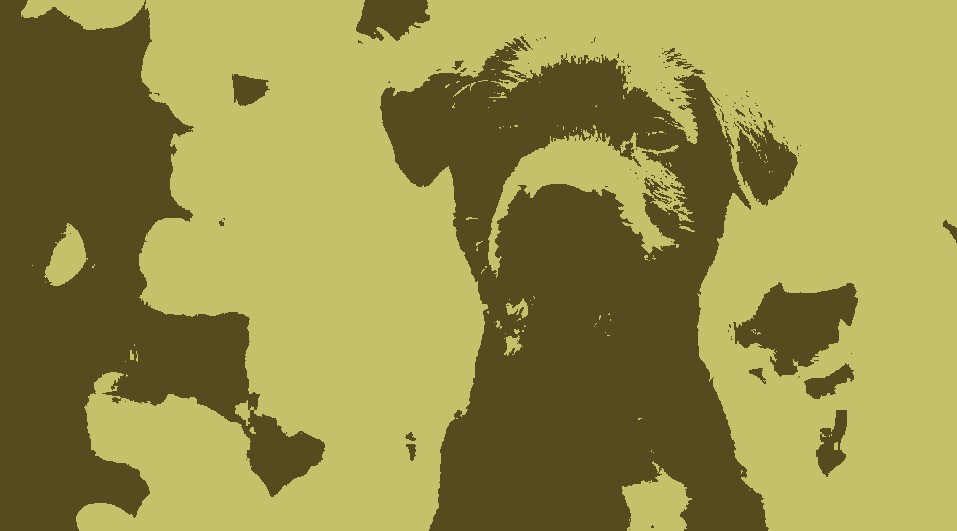
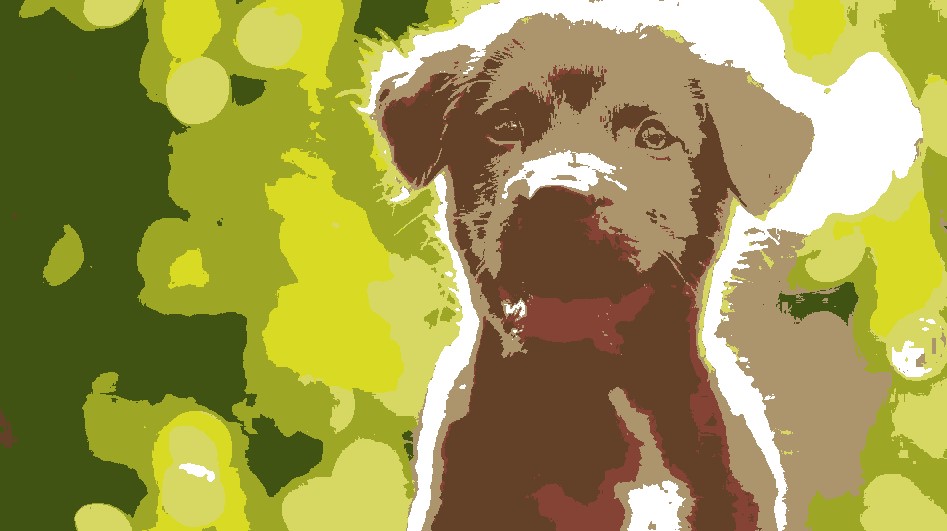


2 bits 6 bits 256 bits Original image
Bit depth represents the color depth. Indexed color is formed using 0s and 1s in several combinations to represent certain assigned colors. These images are known as pixel images. An example is GIF images, which are made up of 8 bits. The more you reduce the number of bits, the more monotone the color palette becomes. Furthermore, a lot of blocking occurs when the bits are reduced. The more bits you have, the more colors you can use in an image to capture different shades of light. On the other hand, having too many bits can also be problematic, as it may introduce far too many colors that disrupt the image. At times, dithering—intentional noise—is utilized to improve images.
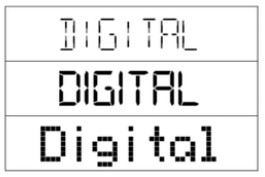
Vector images are created using shapes and objects. This can be done using software like Illustrator, which allows for bending lines to form drawings. A key fact about vector images is that they are scalable, making them ideal for manipulation, whereas pixelated images become distorted when scaled. A real-world example of this is billboards before they became digital screens and fonts that are known to be resizable.
Corrected for grammar and spelling using chatGPT 4omini