
A key part of the essence can be encapsulated in the idea of digital vs. analog. Digital information is presented in a discrete format, meaning that there are defined values. Analog information is presented in a continuous format, meaning that there are an infinite number of values and no defined values. The transition from analog to digital can be seen in typical items such as TVs. As TVs advanced into their digital era we saw that the ability to separate the noise from the signal became much easier. The key differentiating factor between digital and analog is that with digital the signal can be preserved while getting rid of the noise. This change occurred throughout the United States. In 2009, the Federal Communications Commission ended up mandating that all United States Tv signals must use digital transmission. This change is what allowed channels to flow more simultaneously. Less static and fuzz was seen with digital signals.
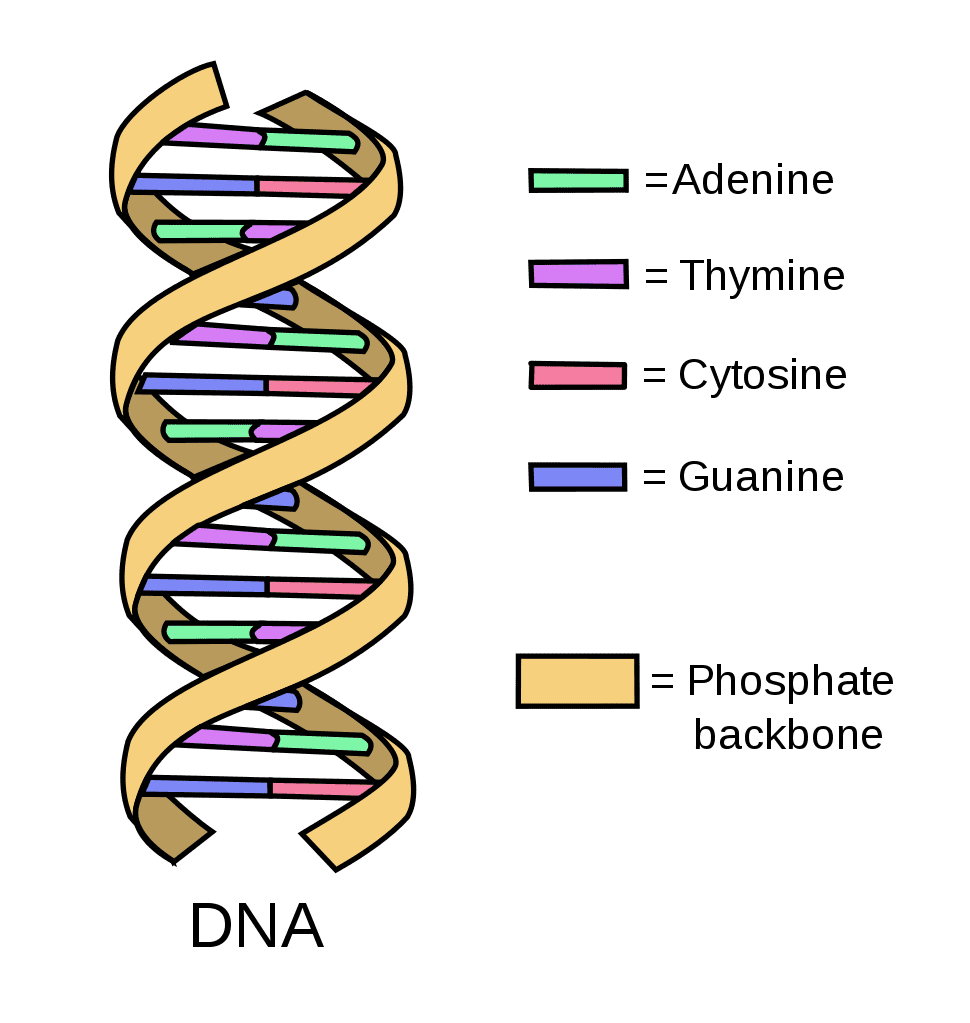
Digital doesn’t apply to only technological things. An example of something digital that everyone has is the genome. There are a discrete number of bases that are used to makeup the genome; A, T, G, C. It is amazing that something so prevalent in the world can be considered digital even when most people would think of technology.
Used ChatGPT 4o mini:
Prompt: what is the essence of digital revolution in modern times with a focus on digital vs analog
Response:
The essence of the digital revolution, particularly when contrasting digital with analog, revolves around several transformative shifts that fundamentally alter how we process, store, and transmit information. Here’s a focused breakdown:
1. Data Representation
Analog: Information is represented in a continuous form. For instance, analog signals like sound waves or light vary smoothly and can capture nuances but are subject to degradation and interference.
Digital: Information is represented in discrete units, typically as binary code (0s and 1s). This enables precise, error-resistant data storage and transmission.
2. Efficiency and Scalability
Analog: Systems often require physical media and are limited in their capacity and speed. For example, vinyl records or magnetic tapes can only hold a finite amount of information.
Digital: Digital systems can compress and store vast amounts of information efficiently. Digital storage devices like SSDs or cloud storage offer scalable solutions that can handle immense data volumes.
3. Precision and Quality
Analog: Quality can degrade over time and with use. Analog recordings might suffer from noise and signal loss.
Digital: Provides high fidelity with consistent quality. Digital files can be copied and transmitted without loss of quality, maintaining accuracy across different mediums.
4. Processing and Manipulation
Analog: Manipulation of analog signals often involves physical processes (e.g., adjusting knobs on a radio). This can be more complex and less precise.
Digital: Digital data can be easily manipulated using software. Operations like editing, filtering, and analyzing data can be done with high precision and efficiency.
5. Connectivity and Integration
Analog: Analog devices often operate in isolation or with limited connectivity. For instance, traditional telephones or standalone radios.
Digital: Digital technologies enable seamless integration and connectivity through networks. For example, the internet connects various digital devices, enabling real-time communication and data exchange.
6. Innovation and Development
Analog: Innovation in analog technology often involves incremental physical improvements.
Digital: Digital technology evolves rapidly through software updates and algorithmic improvements, driving constant innovation and new applications.
7. Accessibility and Usability
Analog: Requires physical interaction and may involve specialized equipment or skills. For example, using a film camera or a slide projector.
Digital: Often designed to be user-friendly with intuitive interfaces. Digital tools and platforms, like smartphones and apps, are widely accessible and user-centric.
Summary
The digital revolution has redefined how we interact with information, making it more efficient, scalable, and precise compared to analog methods. Digital technology enables seamless connectivity, robust data management, and continuous innovation, fundamentally transforming various aspects of personal and professional life.
Fact Check:
– Digital does not only count as 1s and 0s
– seamless integration isn’t always guarantees